01 / OCEAN
Start with ecosystems
A healthy ocean is the foundation of lasting prosperity. Assess effects on biodiversity and habitats.

Blue economy and blue carbon, from evidence to practice.
Growing seaweed. Sustaining fisheries. Restoring coastal habitats. Discover how these efforts work, what the evidence shows and which questions remain open.
What is the blue economy?
The blue economy seeks to sustain economic activity and livelihoods while keeping ocean ecosystems healthy. From fishing to tourism and energy, it asks how ocean activities can respect ecological limits and the lives of coastal communities.
The World Bank defines a blue economy approach as the sustainable use of ocean resources for economic growth, improved livelihoods and jobs while preserving ocean ecosystem health. World Bank — PROBLUE & the Blue Economy
NOAA describes blue carbon as carbon captured by the world’s ocean and coastal ecosystems. NOAA — What is blue carbon?
The blue economy addresses ocean-related economies and livelihoods broadly; blue carbon is one topic within it, linking coastal ecosystem conservation and climate action.
An ocean-based industry is not automatically sustainable. What we protect—and who gets a say—matters as much as what we grow.
Definition informed by the World Bank01 / OCEAN
A healthy ocean is the foundation of lasting prosperity. Assess effects on biodiversity and habitats.
02 / PEOPLE
Respect the knowledge and participation of coastal residents, small-scale fishers, Indigenous Peoples and others connected to the ocean.
03 / EVIDENCE
Make benefits and risks visible. Update decisions through observation and dialogue.
Six themes to explore
Every coastline has its own ecology, culture and livelihoods. These are starting points for better decisions, not one-size-fits-all solutions.
Fisheries and aquaculture can support food and livelihoods when resource conditions and ecosystem impacts are carefully considered.
Habitat impacts and contributions to local food supply and income.
Offshore wind and other ocean energy technologies offer options for decarbonisation. Planning requires coordination with other ocean users.
Effects on wildlife, fishing and navigation, and how benefits are shared locally.
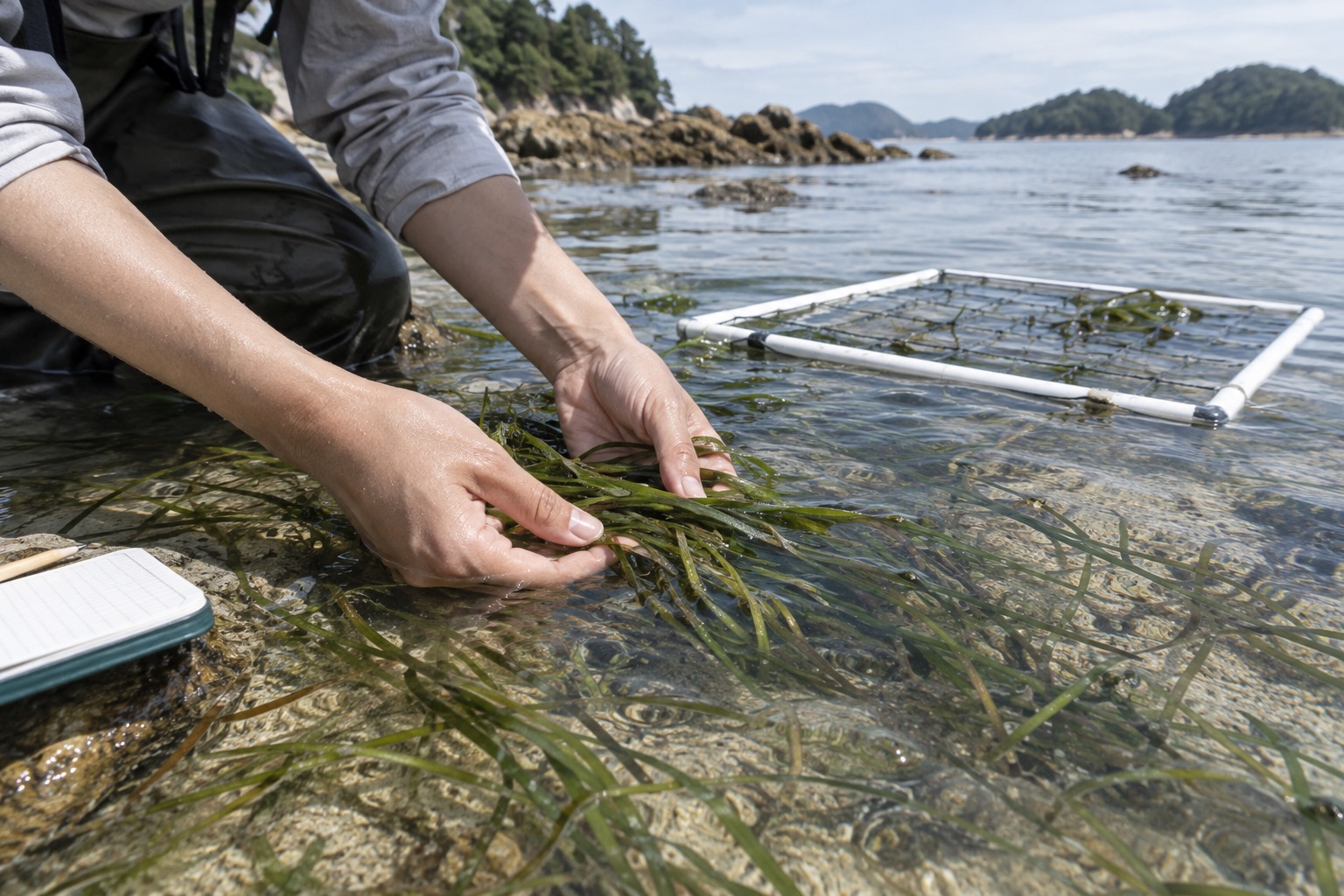
Mangroves, salt marshes and seagrass meadows store carbon in soils while supporting biodiversity and livelihoods. Durable storage from seaweed and other pathways remains under study.
Carbon durability and additionality, biodiversity, and community rights.
Coastal experiences and tourism can share local cultures and create income opportunities.
Water use, waste, ecosystem pressures and effects on residents’ quality of life.
Connecting observations, science and local knowledge can deepen our understanding of a changing ocean.
Access to data, observation gaps and communication of uncertainty.
Rights, participation and the distribution of benefits are foundations for a sustainable ocean economy.
Participation in decisions, distribution of benefits and costs, and inclusion of less-heard voices.
Find your perspective
What we eat, where we travel and whose voices we hear connect everyday choices to the ocean.
Explore food and the oceanConnect observations with local knowledge. Share what we know, and what remains uncertain.
Explore ocean knowledgeConsider ecosystem impacts and the distribution of benefits alongside economic viability.
Explore fair decisions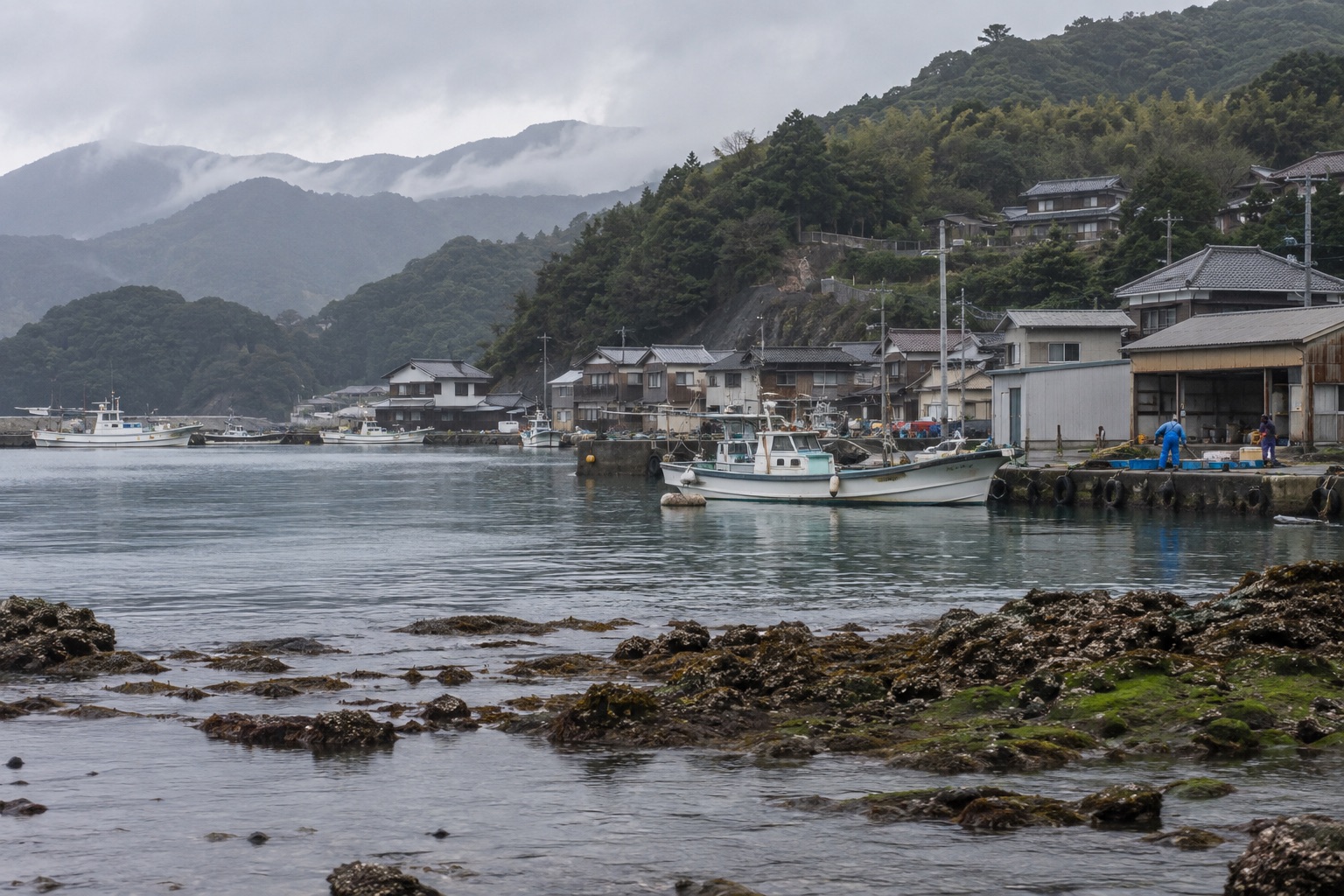
Learn from the world
Original publications from international organisations. For a subject-by-subject overview, visit the research and policy directory.
Find research and policy sourcesSustainable fisheries, aquaculture and the transformation of aquatic food systems.
A definition connecting ocean health, economic activity and livelihoods.
A perspective on an ocean economy that supports nature and society.
Guidance on small-scale fisheries, human rights and food security.
Connecting ocean science and society for sustainable development.
Scientific evidence on coastal blue carbon and climate risks to the ocean.
A common evidence base for ocean industries, economic value and environmental pressures.
The international agreement on high-seas biodiversity, benefit sharing and impact assessment.
An ocean initiative is easier to understand when you can follow its methods, evidence and limitations. OCEAN CONTEXT brings these together in Japanese and English, with introductions to the blue economy and blue carbon, practical examples and original publications from institutions and project teams.
Published by Momochidori Co., Ltd. Contact details are being verified before publication.
References do not imply affiliation or endorsement. We show gaps and differing views, and record what was checked and when. Place-specific decisions require local knowledge and current research.
Editorial update: 26 September 2026